


What Is Thin-Flap LASIK and Why It Matters for Safety
When you research LASIK, how much have you read about the corneal flap? Most practices lead with the laser, but the flap, the thin layer your surgeon creates and lifts,…
Posted by: Manhattan LASIK Center
If you have narrowed your vision correction options to SMILE Pro and Bladeless LASIK, you are already looking at two of the most advanced procedures available anywhere. Both use lasers, and both can give you clear vision without glasses or contacts.
So how do you choose? The answer is that the right procedure depends on your eyes.
At Manhattan LASIK Center, a leading and highly specialized refractive surgery practice, our surgeons perform both and help each patient find the better fit. Here is how the two compare, organized around the questions patients actually ask.
The single biggest difference comes down to one word: the flap.
Bladeless LASIK uses a femtosecond laser to create a thin, hinged flap on the surface of the cornea. The surgeon lifts that flap, a second laser reshapes the tissue underneath, and the flap is laid back into place, where it heals. Here is the sequence:
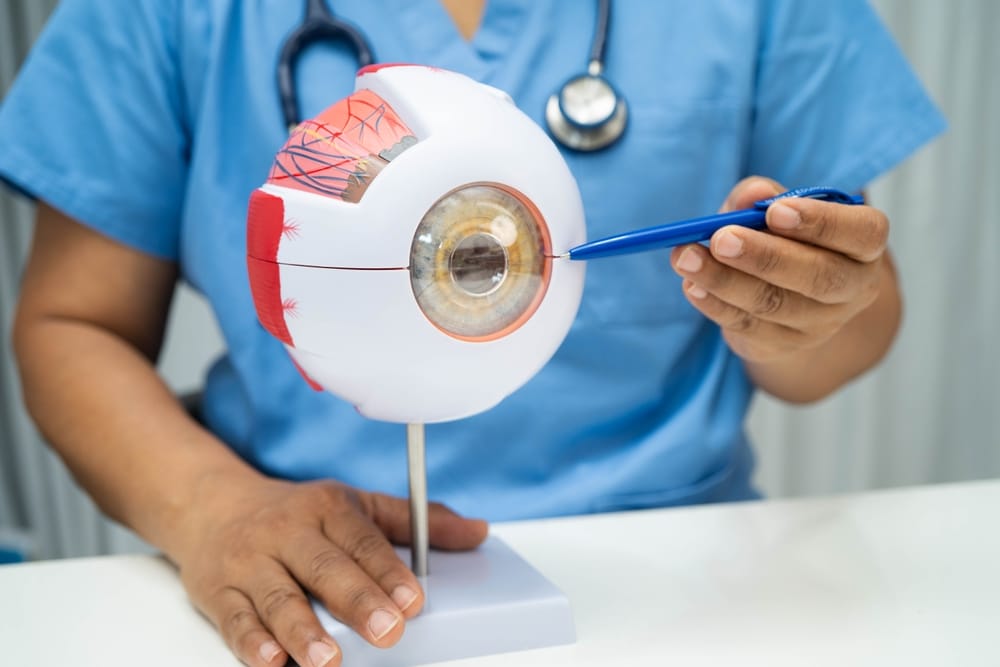
SMILE Pro (Small Incision Lenticule Extraction) takes a different path. There is no flap at all. Instead, the laser shapes a small disc of tissue inside the cornea and the surgeon removes it through a tiny opening:
Both reshape the cornea to achieve the same goal, which is clearer vision and greater visual freedom. They simply get there in different ways, and that difference shapes nearly everything else on this list.
For a quick overview, here is how the two procedures line up across the factors most patients weigh:
| Factor | SMILE Pro | Ultra-Thin Flap Bladeless LASIK |
| Corneal flap | None, flapless | Ultra-thin femtosecond flap |
| Incision | Tiny micro-incision (~3.5mm) | Hinged flap lifted, then replaced |
| Laser platform | ZEISS VisuMax 800 | ZEISS VisuMax femtosecond laser |
| Laser time | Just 8 seconds per eye | Fast, varies by step |
| Lasers used | One | Two (femtosecond and excimer) |
| Dry eye risk | Lower, fewer nerves disrupted | Low, reduced with ultra-thin flaps |
| Corrects | Nearsightedness, with or without astigmatism | Nearsightedness, farsightedness, astigmatism |
A consultation is the only way to know which column actually applies to your eyes, but a side-by-side view helps you understand what you are comparing.
“Getting Zeiss SMILE at Manhattan LASIK Center changed my life! I had very bad vision and astigmatism. Previously, I went to two other LASIK centers but ended up not being a candidate for Traditional LASIK due to dry eyes. However, I was a candidate for the Zeiss SMILE procedure since it is suitable for those with dry eyes.”
- Stephanie C., SMILE Patient
Both procedures are very safe, and both have strong track records. The differences are about how much of the cornea stays undisturbed.
Because SMILE Pro works through a small incision rather than lifting a flap, more of the cornea’s surface and nerve structure remains intact. That tends to mean:
Bladeless LASIK is also a major advance over older blade-based methods, and Manhattan LASIK Center reduces flap-related concerns by creating ultra-thin flaps with Zeiss Visumax laser technology. Thinner flaps preserve more corneal tissue and support a lower chance of night glare or halos. For most patients, both procedures deliver excellent, lasting results, and the choice comes down to your individual eyes.
Recovery is fast with both procedures. Most patients return to normal activities the day after surgery either way. The biggest difference here is dry eye.
If chronic dryness or contact lens intolerance is part of your story, this is often the deciding factor, and it is worth raising directly at your consultation.
This is a fair question, and the answer is not simply “newer is better.” LASIK has decades of proven results and remains an outstanding procedure for millions of people. SMILE Pro is the newer technology, but its advantage is not age. It is the flapless design.
Both procedures follow the same principle of removing tissue from the central cornea to adjust the eye’s focusing power. They differ in how they accomplish it. LASIK lifts a flap and uses a second laser to reshape the tissue. SMILE Pro is minimally invasive, with no flap and a single laser. For many patients, SMILE Pro offers similar or better visual results with a gentler experience, while LASIK still corrects a wider range of prescriptions.
A consultation and diagnostic testing settle it, but a few patterns tend to point one way or the other.
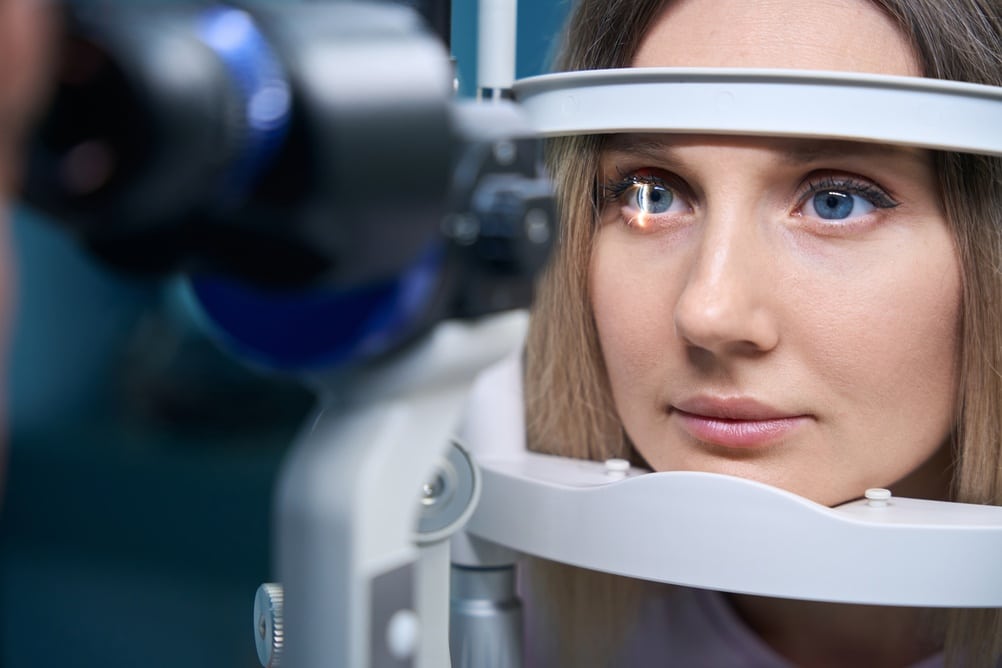
SMILE Pro may be the better fit if you:
Bladeless LASIK may be the better fit if you:
The most reliable next step is a thorough evaluation with our surgeons, who have collectively performed more than 100,000 laser vision correction procedures and will recommend the option suited to your eyes rather than a one-size-fits-all answer.
If you want to compare ZEISS SMILE and bladeless LASIK based on your own eyes rather than general information, the next step is simple.
Curious whether SMILE Pro or bladeless LASIK is the right fit for your eyes? Schedule an appointment at Manhattan LASIK Center in Manhattan, NY, today.
Patients Also Read

Monday - Friday
9:00am - 6:00pm
Saturday
9:00am - 12:00pm